
As reviewers who observe player behaviors, we’ve noticed something interesting https://big-basssplash.eu/. Beyond the fishing theme and bonus rounds of Big Bass Splash, a whole set of player beliefs has developed. In the UK, a dense web of superstitions and rituals now influences how people engage. These notions don’t impact the game’s core fairness, which is governed by a Random Number Generator (RNG). But they reveal us a lot about how people hunt for patterns and try to feel in control of a game of chance. We’re planning to look at where these ideas stem from, why they endure, and how they mesh with playing responsibly. We’ve tracked forums, streamer chats, and player accounts. A distinct set of beliefs continues showing up, changing how the game seems socially.
The significance of the “Splash” in Free spin triggers
The noise and sight of the “splash” when scatter symbols appear is a big emphasis for superstition. Some players feel the depth or precise sound of the splash can predict how strong the upcoming free spins will be. It’s just a standard visual effect, logically. But the excitement it builds is tangible. We’ve seen forum threads where players mention “listening for the deeper splash.” They assign these sound effects almost legendary qualities. It shows how sensory feedback gets loaded with meaning. A standard game event transforms into a personal indicator of things to come. The splash is a typical “reward cue.” The community has created a whole vocabulary for predicting things based on its tiny differences.
On closer inspection, players often state they can differentiate a “small fish splash” from a “big bass splash.” The game probably only has a few of sound files. This notion gets stronger during the free spins round itself. Every fish hooked comes with its own splash. Players say they can “feel” when a big multiplier fish is going to appear based on the sound just before it. This intense attention to game feedback is sheer pattern-seeking. The human brain is great at it, even when no actual pattern is existing. It makes the experience more engaging and tense. Every audio cue gets analyzed for secret meaning. It transforms a mathematically random feature into a story of waiting and wondering. That strengthens the fishing theme.
Taboos and Prevented Moves During Play
For any lucky ritual, there is a strong taboo. A significant one is never to abruptly change your bet size after a run of losing spins. People think this will “scare off” the big catch that’s about to happen. Likewise, some players won’t click anywhere on the screen during the free spins bonus. They fear it might “cancel” a possible re-trigger. These prohibitions are classic examples of illusory correlation. A player once had a bad outcome after doing something, so they blame the action itself. They demonstrate humans trying to write rules of cause and effect for a world run by independent random events. The taboos often concentrate on not “disturbing” the game’s flow or looking greedy to its hidden logic.
Other common taboos occur. Some players never leave a bonus round to run on autoplay if they’re not watching. They view it as disrespectful and sure to bring poor results. Another strong belief is the “curse of the screenshot.” Players avoid taking a screenshot of a good win until the whole session is over. They are concerned that capturing the moment will jinx the spins that follow. These self-made rules create a complex code of conduct for playing alone. They function as risk-avoidance shortcuts. They offer a false sense of safety and control. By sticking to these taboos, players sense they are cutting down on bad luck. This lets them play longer with a sense of managed risk. Here, superstition begins to touch on problem behavior.
The Thin Boundary Between Superstition and Responsible Play
Our last point has to address the important line between harmless ritual and problematic behavior. Superstitions become worrying when they become irrational beliefs that violate budget and time limits. An case is playing beyond your means because a “big catch feels due.” We want players to view these rituals as aids for more enjoyment, not as means to change results. The safest approach is to embrace the themed rituals Big Bass Splash evokes. But you must ground all play in firm, pre-set limits. Understanding these beliefs are a cultural phenomenon, not a strategy, is crucial for a safe and entertaining gaming experience.
We suggest players ask themselves some questions. Does a ritual add to your enjoyment, or does it cause anxiety if you miss it? Is a belief leading you think past losses ensure future wins? Safe play recognizes the entertainment value of community myths. But it strongly rejects allowing them impact money decisions. Tools like deposit limits and session timers are the real “good luck charms.” They protect you from volatility. The rich superstitions around Big Bass Splash demonstrate the game’s cultural impact. But they should be as a layer of story color on top of a foundation of disciplined, budgeted fun. They should seldom drive financial behavior.
Shared Luck and Session Stories
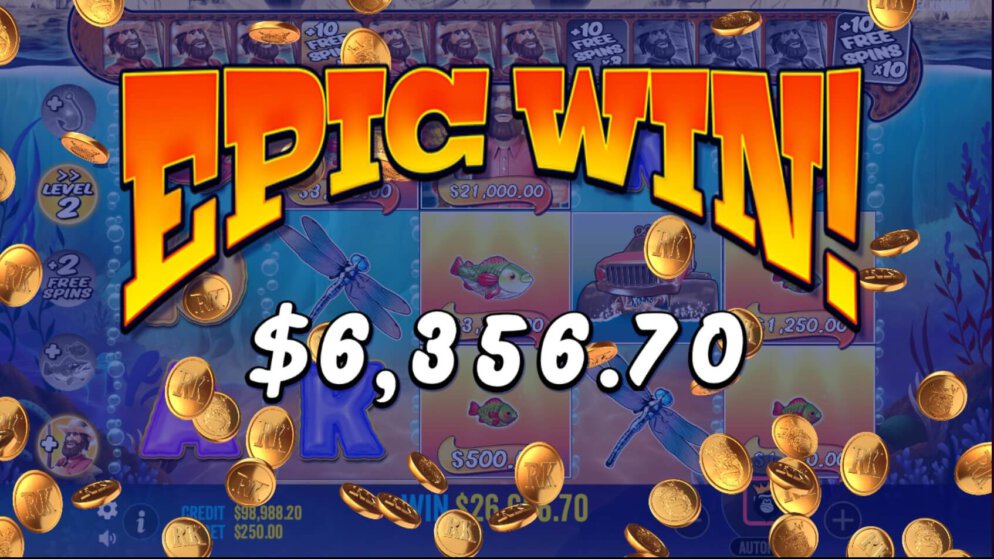
The UK online community buys into “shared luck” stories. When someone shares a screenshot of a huge Big Bass Splash win, others often jump in. They think the “luck is in the air” or the game is “paying out.” On the other hand, a wave of reports about dry spells can deter everyone. This herd effect shows how gaming superstitions can propagate like a social virus. Streaming platforms intensify this. A popular streamer’s big win can cause a measurable spike in players. It demonstrates how a single story can override statistical understanding for many people. The community behaves like one superstitious creature responding to signals.
This goes further into “hot casino” myths. Players assume one specific online casino’s version of Big Bass Splash is offering better payouts than others. This occurs even though all licensed versions use the same RNG. Forum threads inquiring “which site is hot?” feed on this idea. Also, players will exchange “session codes” or detail their exact betting pattern before a big win. Others imitate it, hoping to recreate the success. This mirrors strategy sharing in skill games, but here it’s directed at pure chance. It generates a powerful loop. The communal belief validates itself through concentrated, simultaneous play. Every player’s outcome is still independent and random.
The Allure of the “Golden Hour” for Fishing
A frequent belief we have noticed is the “golden hour.” Many UK players are convinced particular times of day are more favorable. Early mornings or nighttime are common choices. This mirrors what real anglers say about the best fishing times. The ritual does not concern software. It’s about getting your mind ready. Players start these sessions with increased confidence, which can enhance the gaming experience. We’ve noticed this belief builds a shared schedule. Forums become active around these supposed peak times. It builds a common experience that goes beyond just gaming by yourself. The details can get precise. Some players will game solely at dawn or right after midnight. They say these times correspond to the game’s “natural payout cycle.” That idea is not in the programming, but it’s prevalent in people’s minds.
This collective timing superstition often results from confirmation bias. A player who wins during their personal golden hour holds onto that win vividly. Losses during the same time are ignored or overlooked. On Discord servers, you witness this strengthened. Members will arrange to play simultaneously, creating a self-fulfilling cycle of greater participation. It illustrates how a simple slot can create scheduled social time. The shared superstition binds people. It turns a random number generator into a community event with its own stories and meet-up times. That’s a dimension of social engagement Pragmatic Play probably didn’t plan for.
Ceremonies Before the First Cast Preparing the Reels
Practices to get ready are everywhere. We’ve met players who must do a specific number of “practice spins” on the smallest bet. They think this “warms up” the game or pays it respect. Others intentionally avoid the “Quick Spin” feature for their initial few spins. They see the full animation as a required ceremony. These acts work as a mental cushion between the player and the game’s variance. They create a personal ritual that marks the shift from normal life to game time. It’s a self-made framework that offers comfort before facing pure uncertainty. The ritual side is influential. It’s like athletes with their pre-game routines to get in the zone. It’s mental prep for the fun ahead.
We’ve made a compilation of these pre-spin habits. Some players always click the scatter symbol on the loading screen for luck. Others make sure their first spin is done by clicking the button, not using autoplay. A common thread is the idea that the game “tests” a player’s patience early on. These rituals do nothing to the RNG. But they give a feeling of control. They let the player feel like an active part of their own destiny, not just a passive observer. This is a key mental strategy. It makes high-variance games like Big Bass Splash easier to enjoy over long sessions. The player feels they did their share.
The Custom of Bet Sizing and Escalating Patterns
Beyond plain taboos on adjusting bets, exists a further intricate stratum of superstition surrounding bet-sizing patterns. Many players follow rigid, self-made betting systems while playing Big Bass Splash. A widespread belief is that you need to “feed the slot” with gradually growing bets to entice the bonus. Or, you need to decrease bets after a win to “cool it down.” These are no structured systems like the Martingale. They are individual rituals based on how the game appears to behave. Players create stories where the bet size is a method of talking to the game. It’s a indication of intent or regard.
Another prevalent idea is the “trigger bet” theory. Players utilize a standard bet size for most spins. But when they “feel” a bonus is imminent, they change to a certain, often larger, “trigger” amount for a few spins. The reasoning is that the game perceives the increased commitment and responds. We discover these patterns get shared and refined in community talks. They obtain credibility merely through being echoed. Looking at it coldly, these rituals add a level of tactical fantasy to play. They render the financial risk appear as a planned plan, not a random wager. That can perilously hide the reality of spending. Losses are framed as essential steps in a ritual that will pay off eventually.

Humanizing the Game: The “Moody” Slot
One of the most intriguing superstitions concerns giving Big Bass Splash a personality. Players often claim the game is in a “good mood” or a “stingy mood.” This personification is a cognitive trick to explain variance. If the slot is “moody,” its behavior seems more predictable and understandable than the cold truth of RNG. You hear it in the language: “It owes me a bonus after all those spins,” or “It’s being friendly today.” This mindset has two sides. It can make the relationship with the game more playful. But it can also fuel the dangerous idea that the slot can “repay” losses. Giving unpredictable systems consciousness and intent is a basic human reaction.
This personification reaches into strategy. Players talk about “soothing” the game with smaller bets after a loss period. Or they “reward” it with more play after a win. The slot becomes a digital fishing buddy with its own temper. We see this narrative a lot on live streams. Streamers talk directly to the game, begging or joking with it. This framing makes things more relatable and story-like. But the dangerous flip side is the gambler’s fallacy in disguise. It’s the belief that the slot’s “mood” creates debts and credits. A player sure the game “owes” them is in a risky spot. They might chase losses, seeing a random cold streak as a personal insult that needs fixing with more play.